As is widely known, Okinawa accounts for a mere 0.6 per cent of Japan's total land area. Its population of 1.4 million is no more than one-thousandth that of China. It is in this small place, and in particular on the islands known as the Sakishima Islands and the South-Western Islands, that missiles are now standing in rows. To bring this situation to public attention, I have held photography exhibitions at approximately twenty locations across Japan, four each in South Korea and China, primarily at universities, and also at universities in Taiwan and in the United States. I have produced a condensed video of that material specifically for this forum. It runs for seven and a half minutes and is very easy to follow. The video content will be displayed below.
The Current State of the Missile Crisis in Okinawa and the South-Western Islands
Okinawa is known as one of Japan's premier resort destinations. Blessed with a subtropical climate and surrounded by seas of shimmering emerald green, it retains a distinctive culture and precious natural environment. It is also known as the site of fierce fighting during the Pacific War, where civilian casualties exceeded those among soldiers.
Are you aware that the government and the Ministry of Defence are now advancing a large-scale deployment of Self-Defence Forces across the South-Western Islands, including Okinawa? This is referred to as the 'South-Western Islands Shift.' The plan calls for the deployment of approximately 200 personnel on Yonaguni Island, approximately 600 on Ishigaki Island, approximately 800 on Miyakojima, approximately 8,000 on the main island of Okinawa, approximately 600 on Amami Ōshima, and over 1,000 combined on Tanegashima and Mageshima, amounting to a total force of just under 10,000 troops in the region.
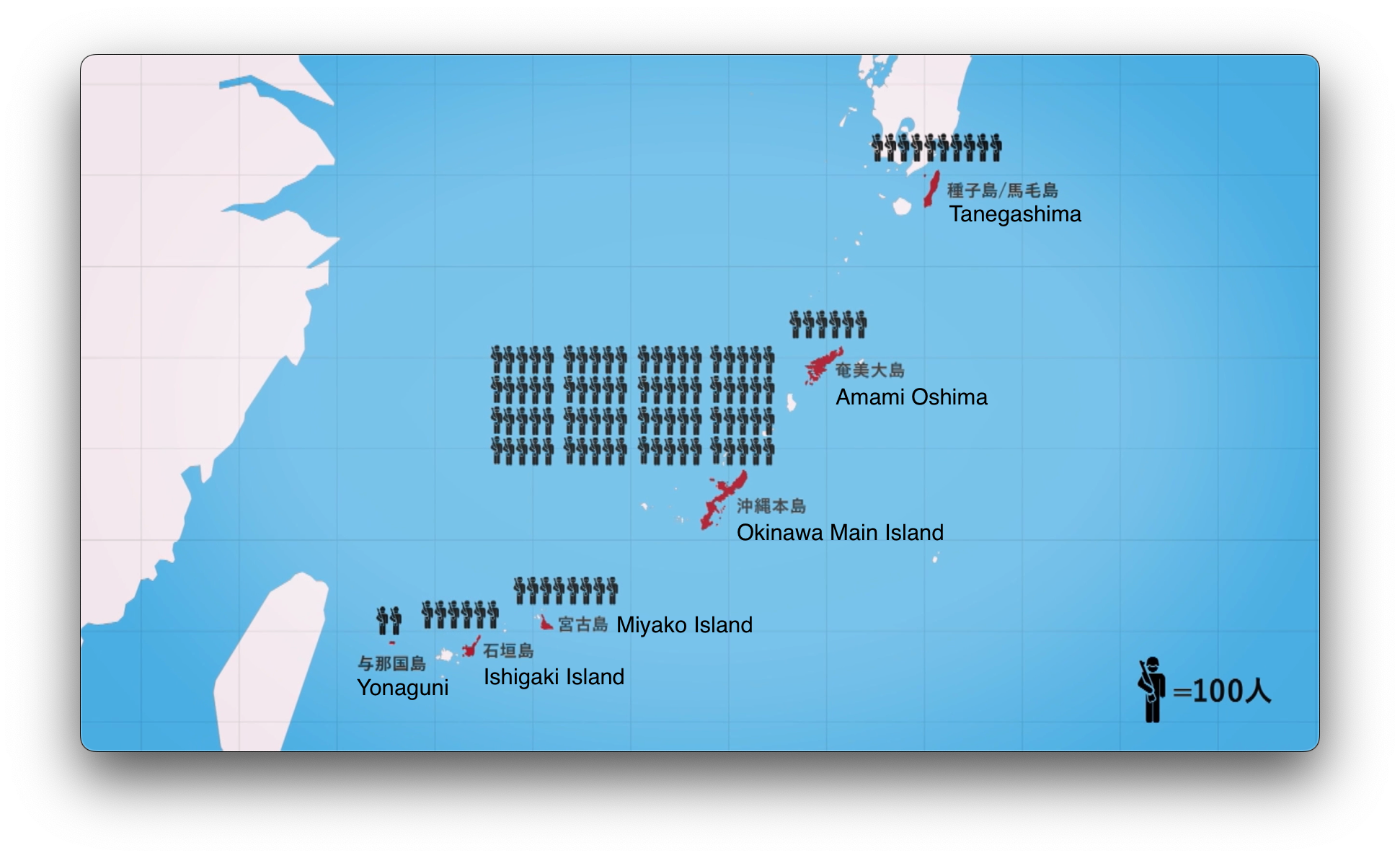
Photography Exhibition: The Missile Crisis in the South-Western Islands
A crisis is closing in on the South-Western Islands. The government and the mainland media are insisting that a Taiwan contingency, meaning war, is imminent in this region. This is a manufactured crisis, and it extends across the whole of Japan.
The fortification of the South-Western Islands had been in preparation for several years.
Photographs and materials courtesy of Konishi Makoto, Okuma Masanori, and others engaged in the ongoing movement against base reinforcement in the South-Western Islands.
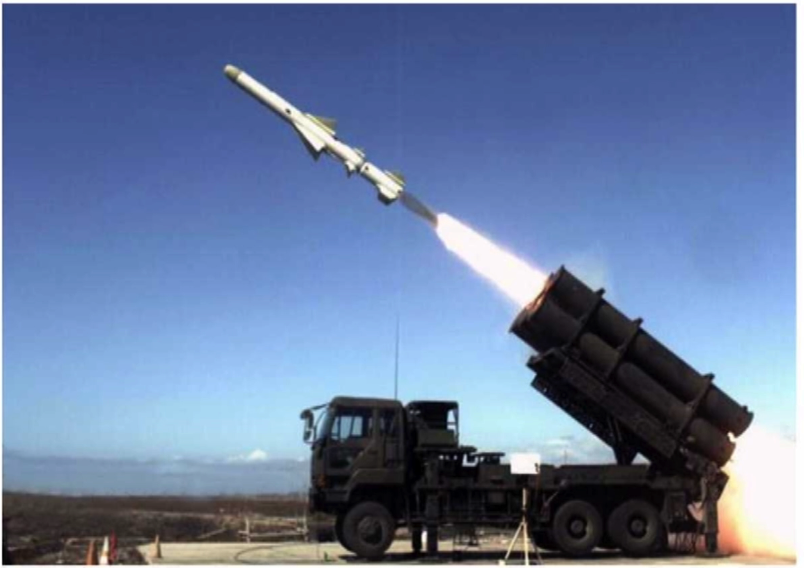
Missiles scheduled for deployment in the South-Western Islands
The estimated range of the Type 12 missile is 150 kilometres or more.
Surface-to-ship missiles cannot reach the Chinese mainland, but missiles with a range of 1,000 kilometres can.
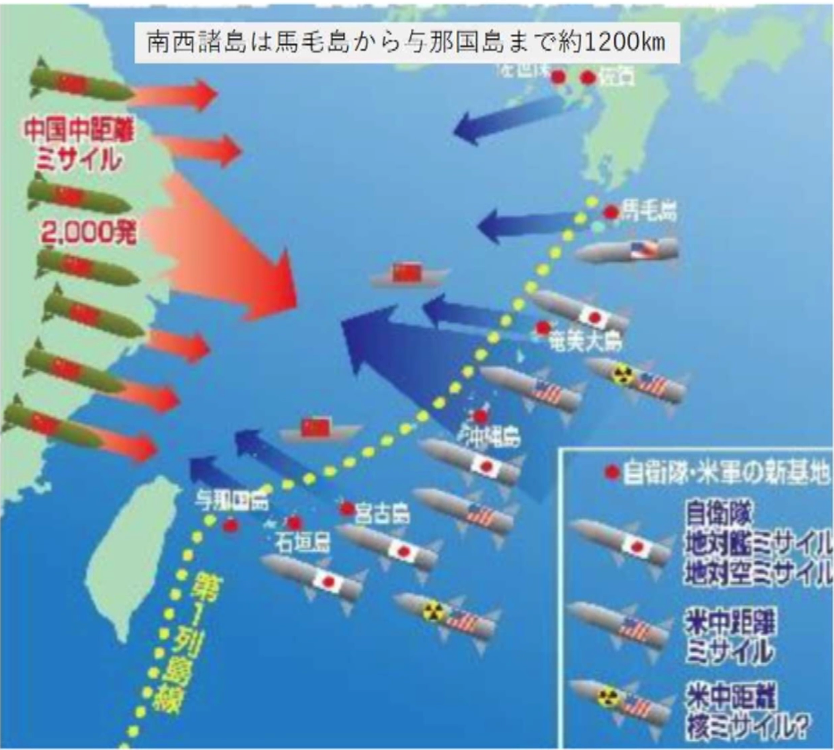
Missile deployments, China vs. the South-Western Islands
The South-Western Islands stretch approximately 1,200 kilometres from Mageshima to Yonaguni. From China's perspective, they form the key of the First Island Chain, with Taiwan at the southern end.
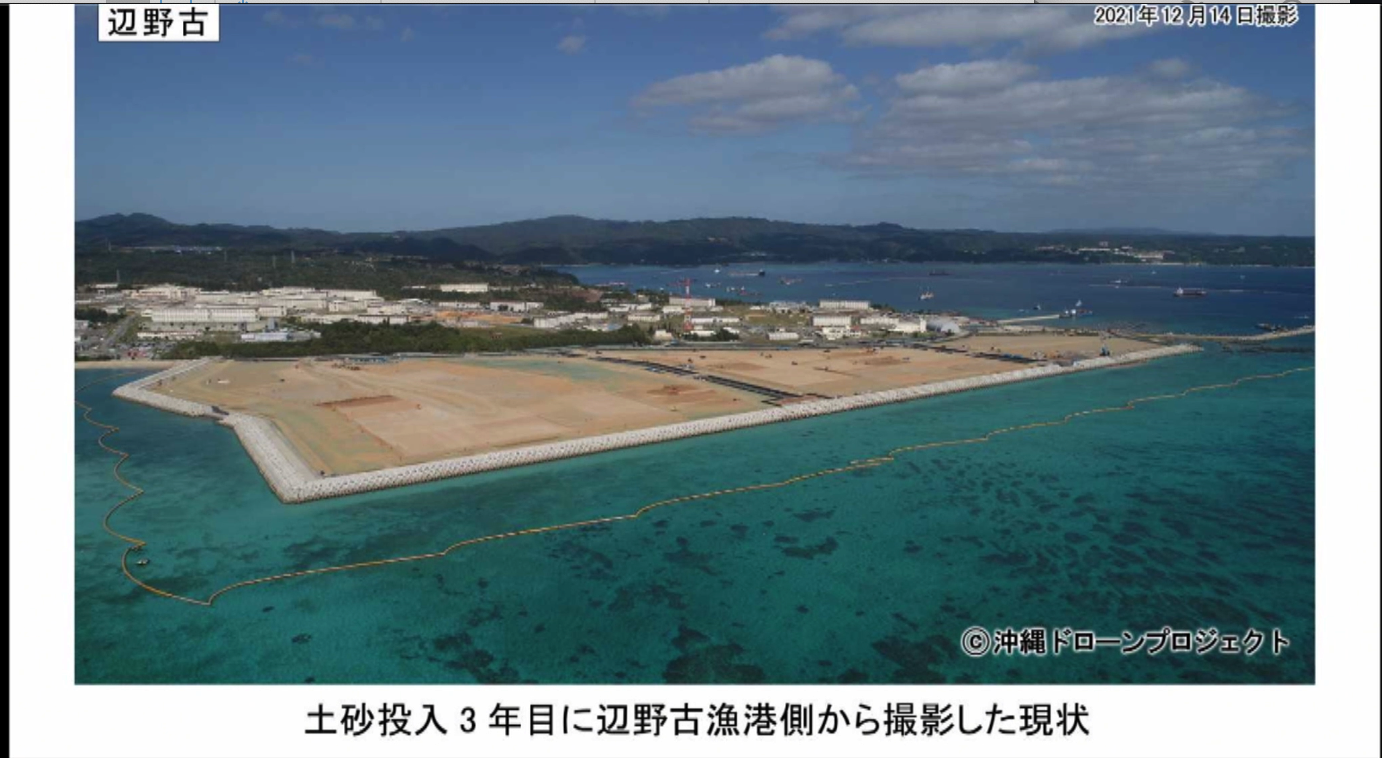
Henoko before and after reclamation
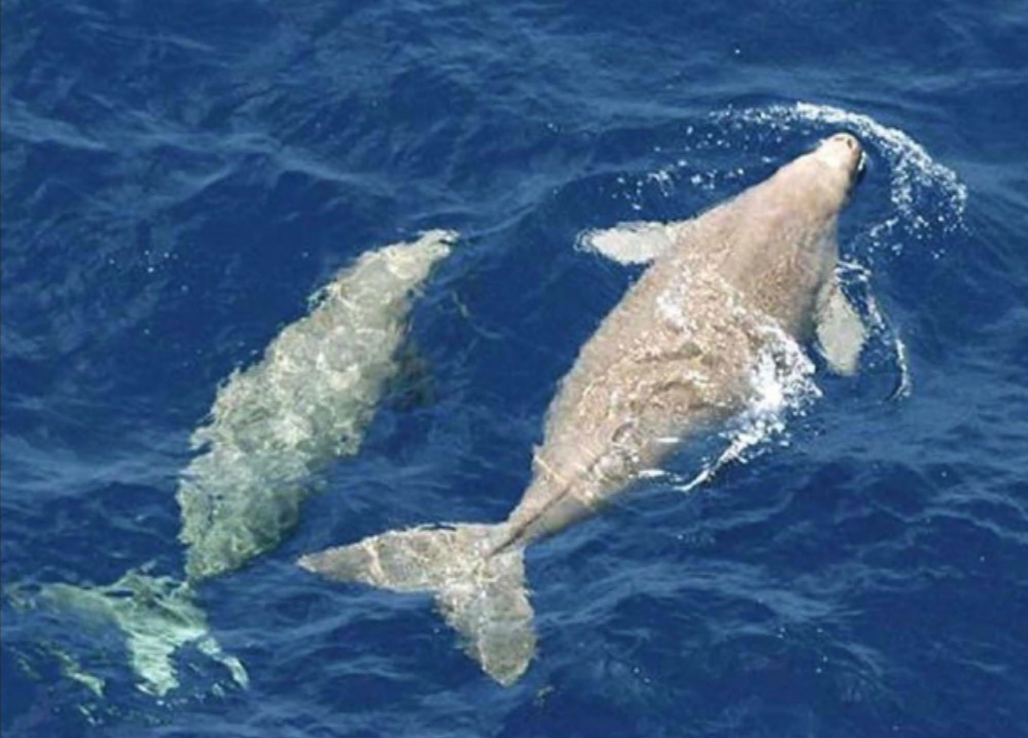
Endangered species such as dugongs
Some 70 per cent of the US military's exclusively dedicated bases in Japan are concentrated in Okinawa. Construction of a further base at Henoko is under way.
enoko and Oura Bay are home to approximately 5,800 species of endangered organisms, including dugongs, and the seabed 70 metres below the surface has the consistency of mayonnaise, making it extremely difficult to lay a stable runway foundation.
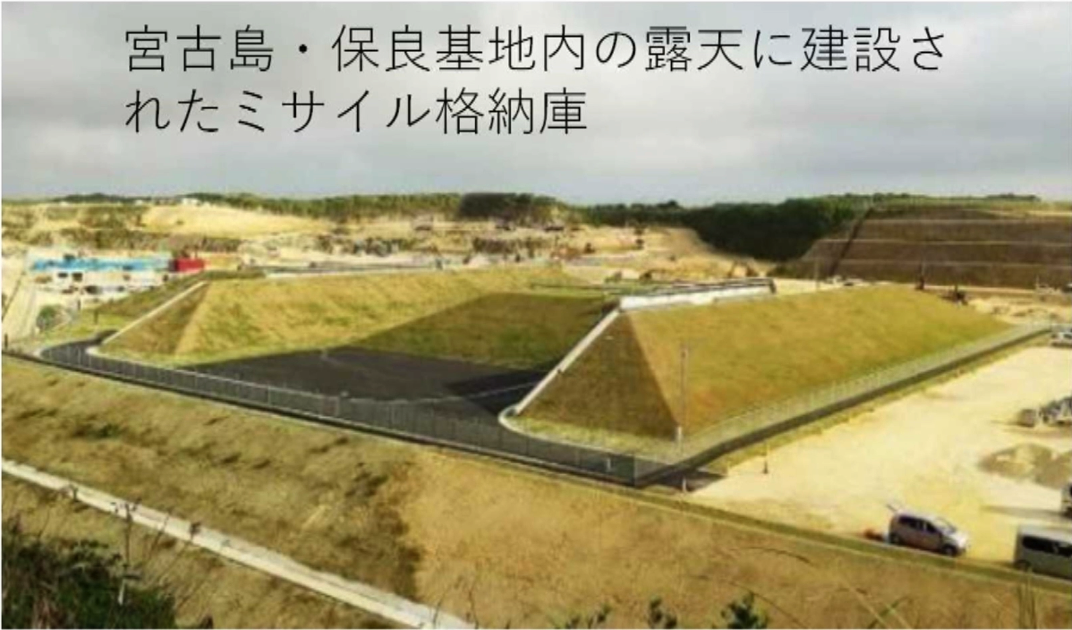
The exposed missile storage facility at the Hora base on Miyakojima
Built in the open air on a former quarry site at zero metres above sea level, with a residential area 150 metres to the right. A rare case anywhere in the world.
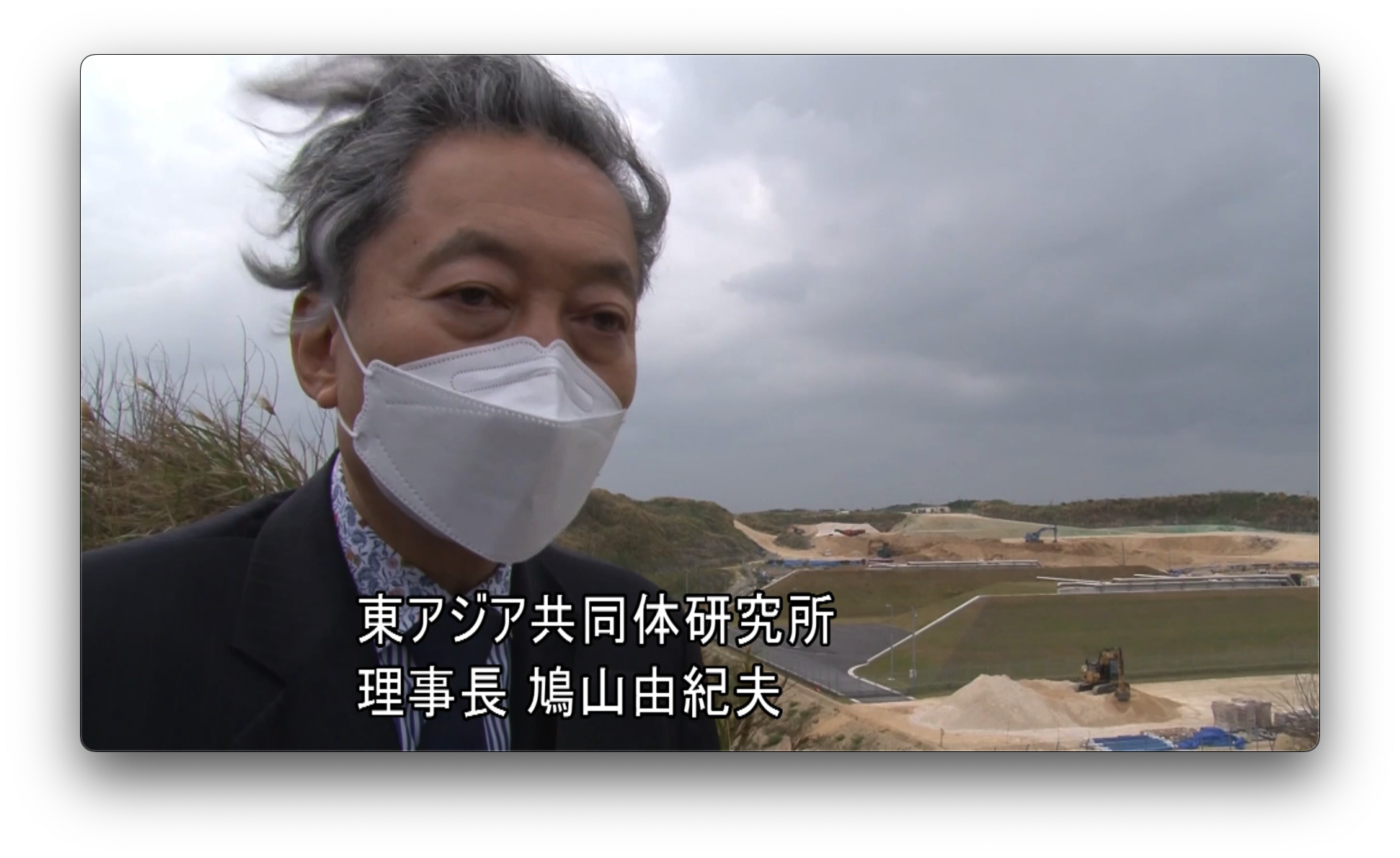
Report by Hatoyama Yukio, former Prime Minister and Director of the East Asian Community Institute, filmed in front of the missile storage facility
Hatoyama: 'Visiting Miyakojima for the first time in a while, I was shown the Chiyoda garrison and the Hora district training facility. I was also told that missile warheads have been deployed there. A Self-Defence Forces base and warheads have been placed in a location far too close to a residential area. It may not happen easily, but there is a possibility of an accident. I understand that for residents, having them so close is a frightening thing. When it comes to national security matters, the prevailing attitude is often that because the state decides these things, rather than the residents, the wishes of residents need not be given much weight. On Miyakojima, the placement of bases and missile warheads that threaten the safety of the islanders, and the installation of ammunition depots, is something I believe must never be allowed. Seeing these ammunition depots up close, I find it deeply alarming.'
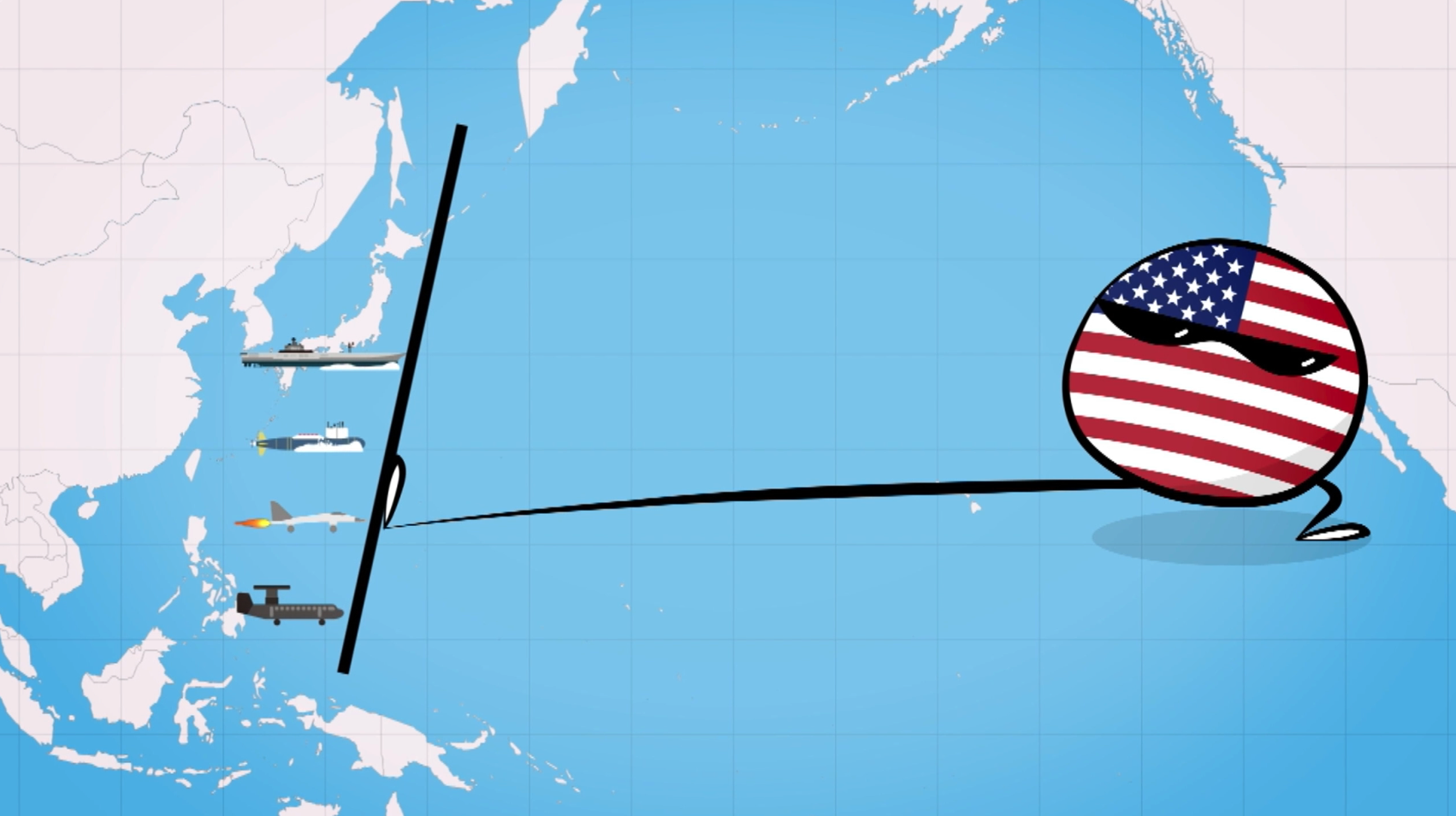
Animated narration, with map of China and images of people fleeing
The United States has a strategy known as 'Offshore Control.' This strategy involves blockading what is called the First Island Chain, the line through which China must pass when advancing into the Pacific, and confining China within the seas on the inner side of that line. By this means, the United States could, in the event of a contingency, cut off virtually all of China's global trade, while also eliminating the threat of nuclear attack on American territory by Chinese submarines, thereby achieving a position of strategic superiority. The fundamental premise of American defence strategy is to keep foreign adversaries away from the American homeland and to defeat them as far away as possible, at sea or in enemy territory.
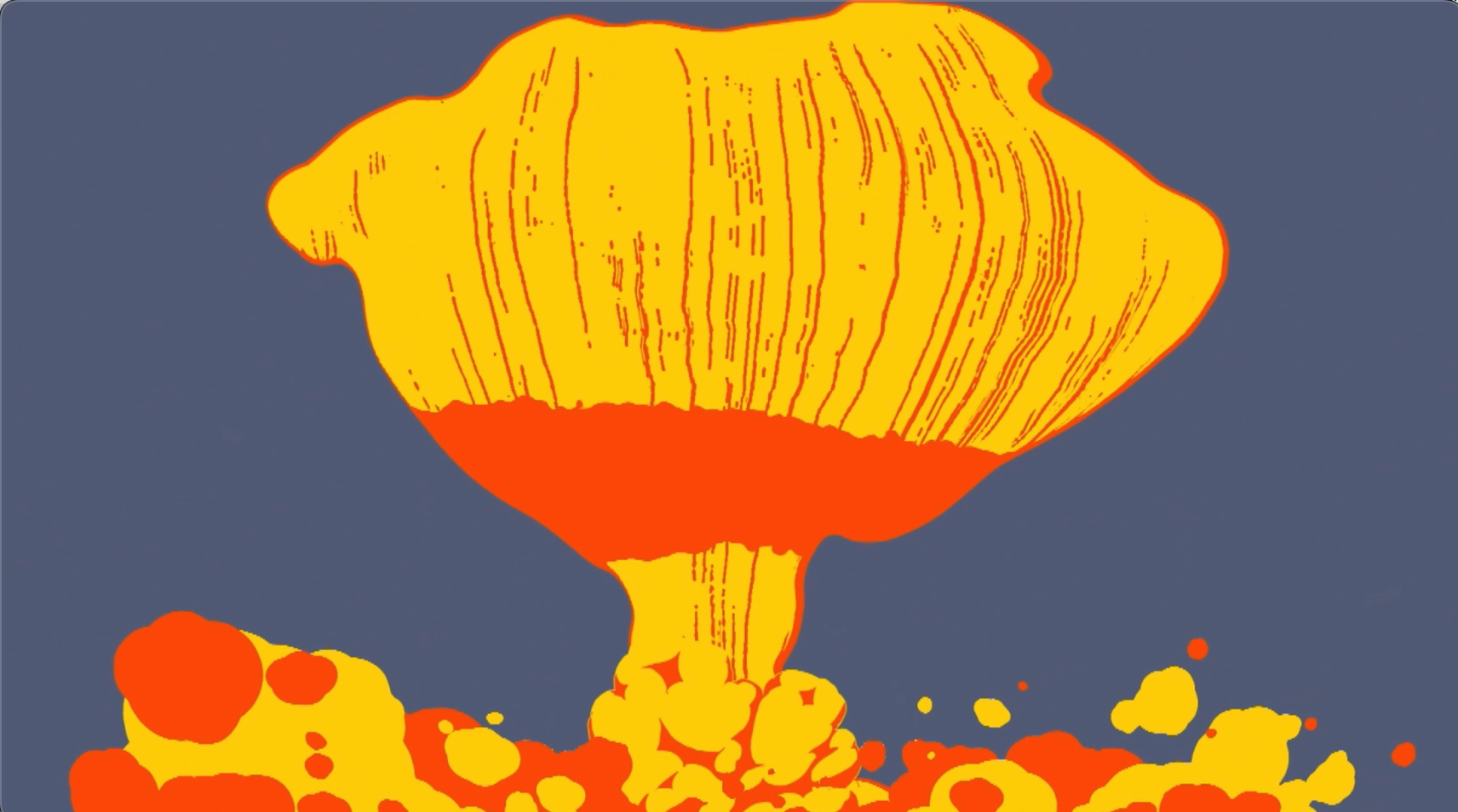
Should an accidental clash escalate, there is a risk that it could lead all the way to nuclear war. Surface-to-ship and surface-to-air missiles are to be deployed on the Amami Islands, the main island of Okinawa, Miyakojima, and Ishigaki Island. These missiles are intended to attack vessels and military aircraft attempting to pass through the straits of the South-Western Islands and the airspace above them. If missiles are launched from the islands, however, the islands will immediately become targets, and China will move with full force to neutralise the missile bases positioned across the South-Western Islands.
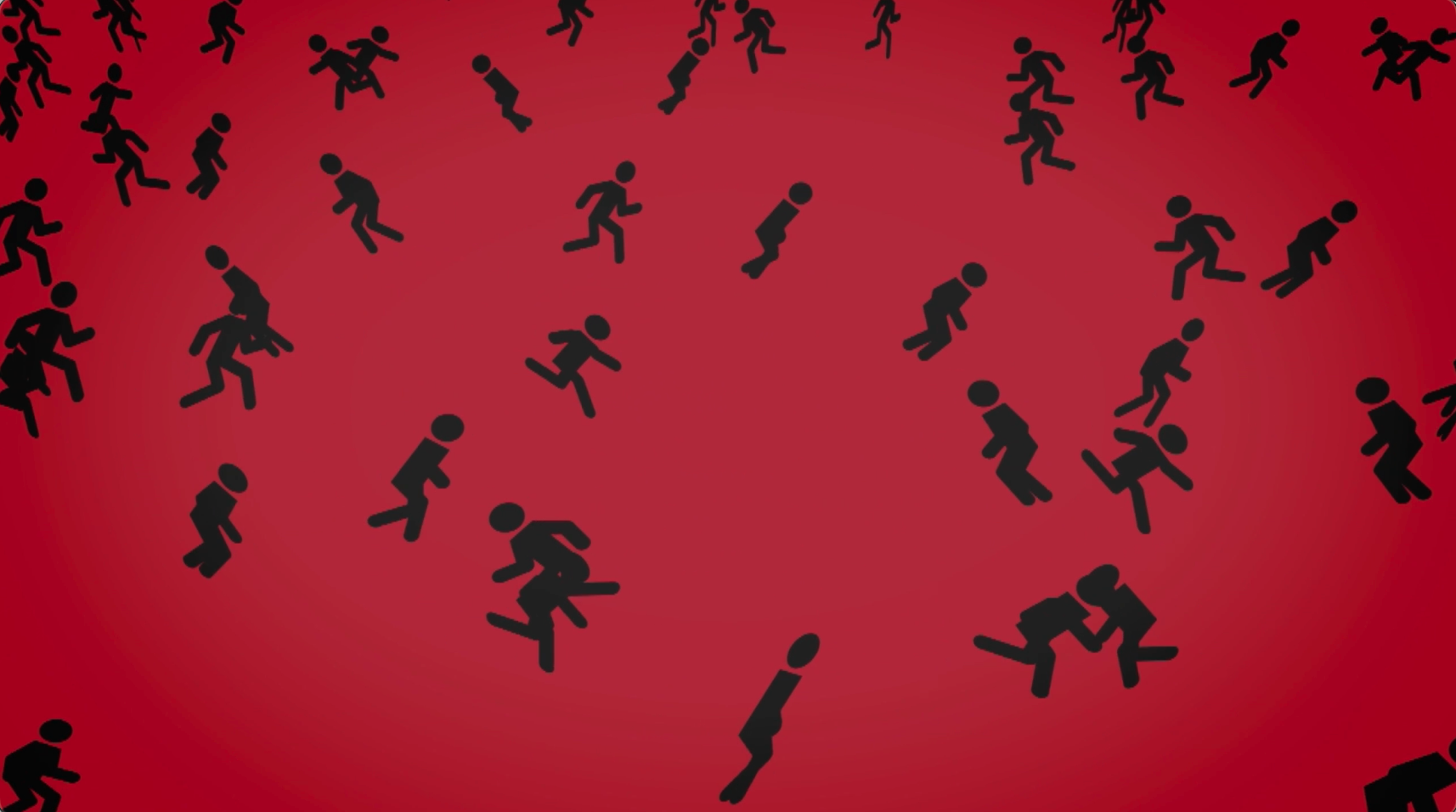
Residents will have no time to evacuate to the mainland and will be left to flee within the islands as missiles rain down. This South-Western Shift has, from the outset, been premised on turning the South-Western Islands into a battlefield.
In closing: to avoid a Taiwan contingency, there is no path other than building a war-renouncing cooperative community across Japan, China, and East Asia as a whole, and constructing peace. That is the core message I wish to convey. There is simply no way for Japan to survive other than by maintaining good relations with its neighbours. After all, trade with China accounts for roughly one-third of Japan's total, and a world without engagement with China is simply unimaginable. People tend not to look squarely at these facts, and it is precisely to help everyone understand the actual situation that I have been holding these photography exhibitions and giving these talks. That concludes my remarks.
Production: East Asian Community Institute
Featuring: Former Prime Minister Hatoyama Yukio and others
Animation: South-Western Islands Peace Project
Video cooperation: Yoshikawa Hideki, Ministry of the Environment, H. Marsh et al., Ministry of Natural Resources of China
Watch the whole speech here: