Skip to contentSovereign AI and Digital Sovereignty Workshop for the Global South Successfully Held, Charting a Path for Autonomous Development in the Digital Era
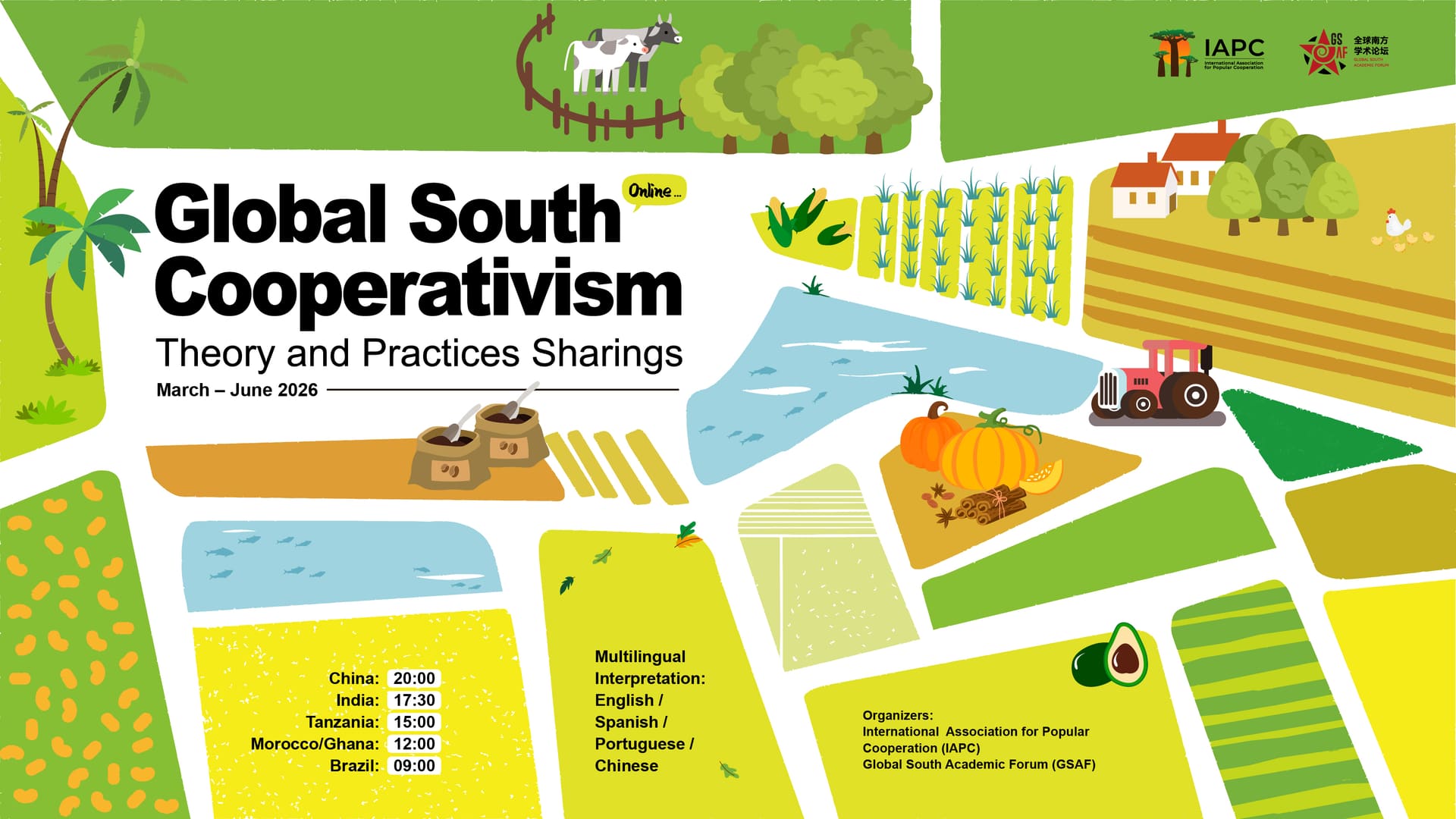
The First Session of the Global South Cooperatism Seminar Series Launched: Chinese and Brazilian Scholars Discuss the Path to Cooperation
Exploring the Digital Breakthrough of the “Global South”: The “Sovereign AI and Digital Sovereignty” Seminar Successfully Held
BRICS Digital Sovereignty Index Report Co-compiled by the Center, Officially Released During the ZGC Forum
The BRICS Digital Sovereignty Index Report Compiled by Our Institute Was Officially Released During the Zhongguancun Forum
Call for Papers | Sovereign AI and Digital Sovereignty
New Solidarity in the Global South: Global South Academic Forum Dialogues with High-Level Ghanaian Delegation to China to Explore the "China Model" and the Path to Autonomous Development
Standing Together Against War, Sharing a Common Destiny: A Four-Day Chronicle of the Global South Academic Forum's Exchange with Ryukyu Civil Society Forces
Okinawa Governor Meets Global South Academic Forum Delegation to Discuss China-Ryukyu Friendship and Call for Regional Peace