GSAF 2025 Panel Urges Deeper South-South Collaboration to Defeat Modern Imperialism
SHANGHAI --- On the occasion of the Global South Academic Forum (GSAF 2025), Pan African TV (PATV) featured a powerful panel discussion, titled "Bridging Continent: China Africa Relations and the Future of South-South Cooperation." The program brought together leading scholars and analysts from China and Africa to deliver critical analysis on South-South cooperation. The session, which explored the enduring legacy of the anti-fascist struggle on its 80th anniversary, saw experts issue a unified call for renewed Pan-African unity and economic independence, directly challenging the narratives and structures of modern imperialism.
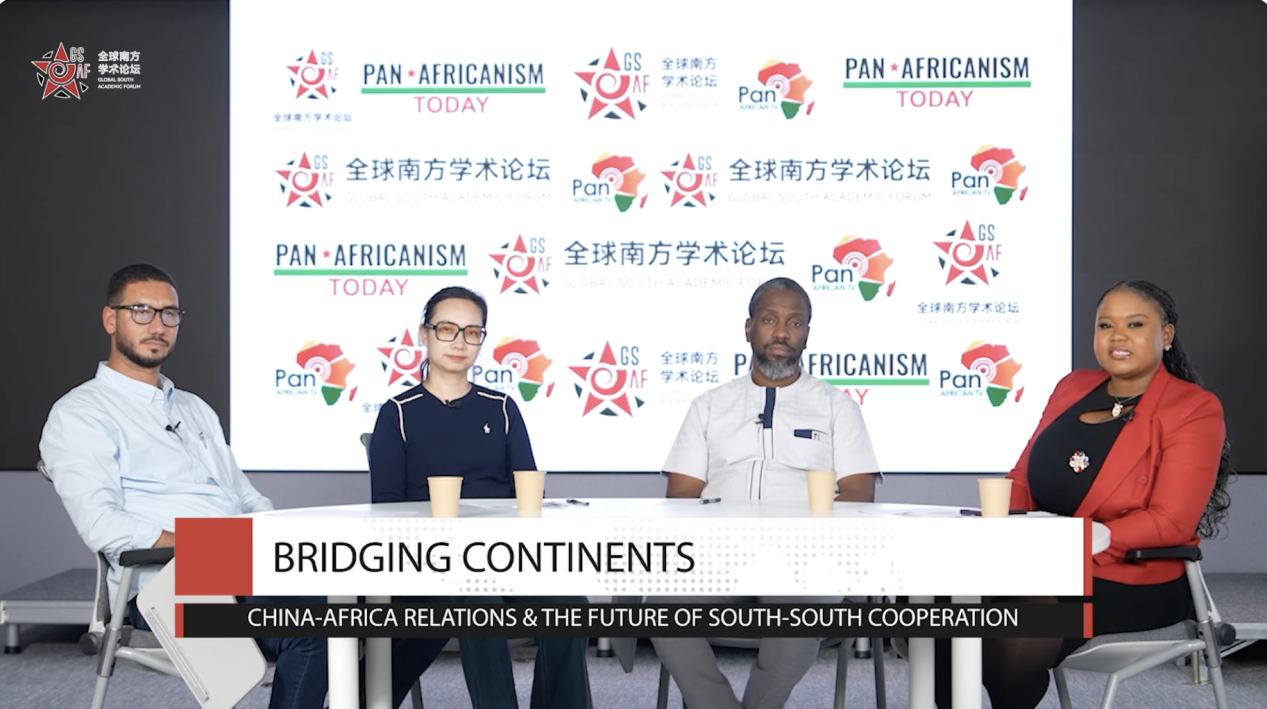
The panel, featuring Prof. Yinan Chen (Shanghai Jiaotong University), Kambale Musavuli (Political Analyst), and Jonis Ghedi Alasow (Executive Director of Pan Africanism Today), delivered sharp insights:
Analyst Demands Digital Sovereignty and True Collaboration
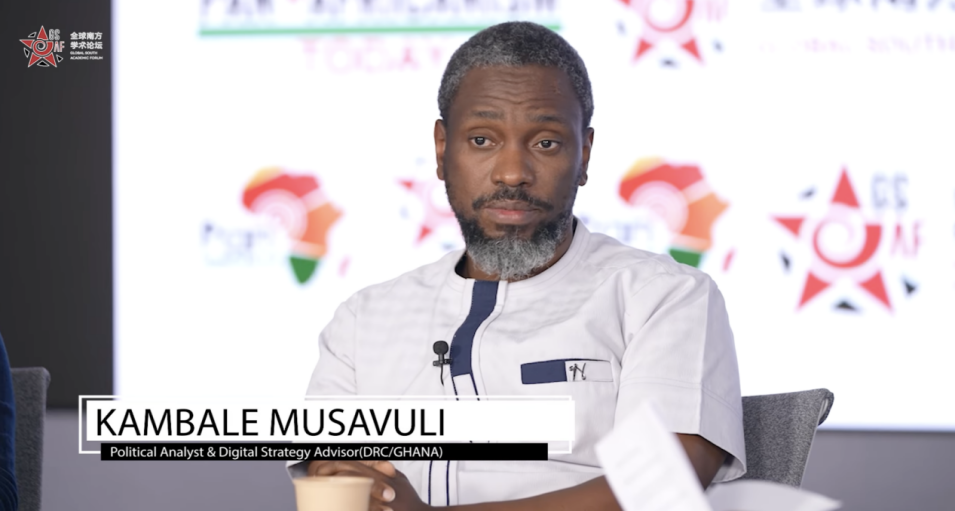
Kambale Musavuli stressed that the future of China-Africa engagement must be defined by "collaboration," not merely "cooperation," emphasizing the urgent need for technology transfer, co-creation, and shared value, particularly in the digital sector. He argued passionately that control over Africa's data---or digital sovereignty---is now as crucial to economic independence as control over natural resources, warning that without it, new forms of dependency and exploitation are inevitable.
The Strategy: Pan-African Unity and Political Revolution
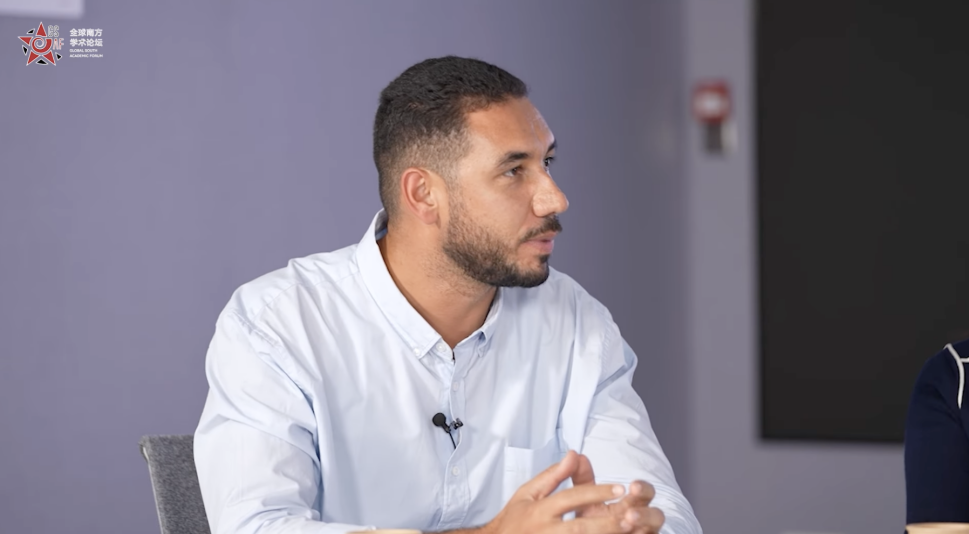
Jonis Ghedi Alasow framed the fight against modern-day fascism and neocolonialism as an ongoing struggle, urging the African continent to draw inspiration from the anti-fascist victory's legacy and return to the spirit of the 1945 Pan-African Conference. Alasow called for a necessary political revolution focused on deep-seated African unity and class consciousness to ensure that cooperation agreements truly benefit the 2.4 billion people of the Global South, rather than being co-opted by internal political elites.
China's Model: Mutual Benefit and Non-Interference
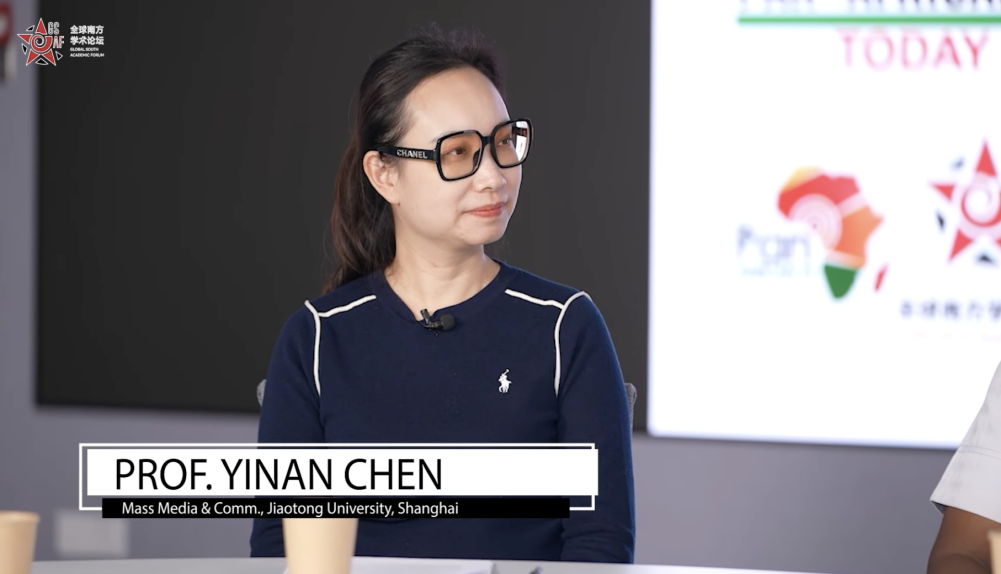
Prof. Yinan Chen contrasted China's approach---rooted in mutual benefit, sustainable collaboration, and the principle of non-interference---with traditional Western development models, which are often conditional and prone to creating dependency. Highlighting successful infrastructure projects and knowledge sharing on poverty alleviation, she effectively debunked the often-repeated "debt trap" narrative, emphasizing that China's partnerships prioritize sovereign, independent development choices for its African partners.
The experts concluded that the Global South must solidify its common strategy to regain economic independence and address internal contradictions like class struggle, ensuring that new partnerships serve the collective aspirations of the 2.4 billion people they represent.
The panel discussion, which aired on Saturday, November 29, 2025, at 1:00 PM on Pan African TV, is now available for viewing.